
Who Is Not a Candidate for a BBL?
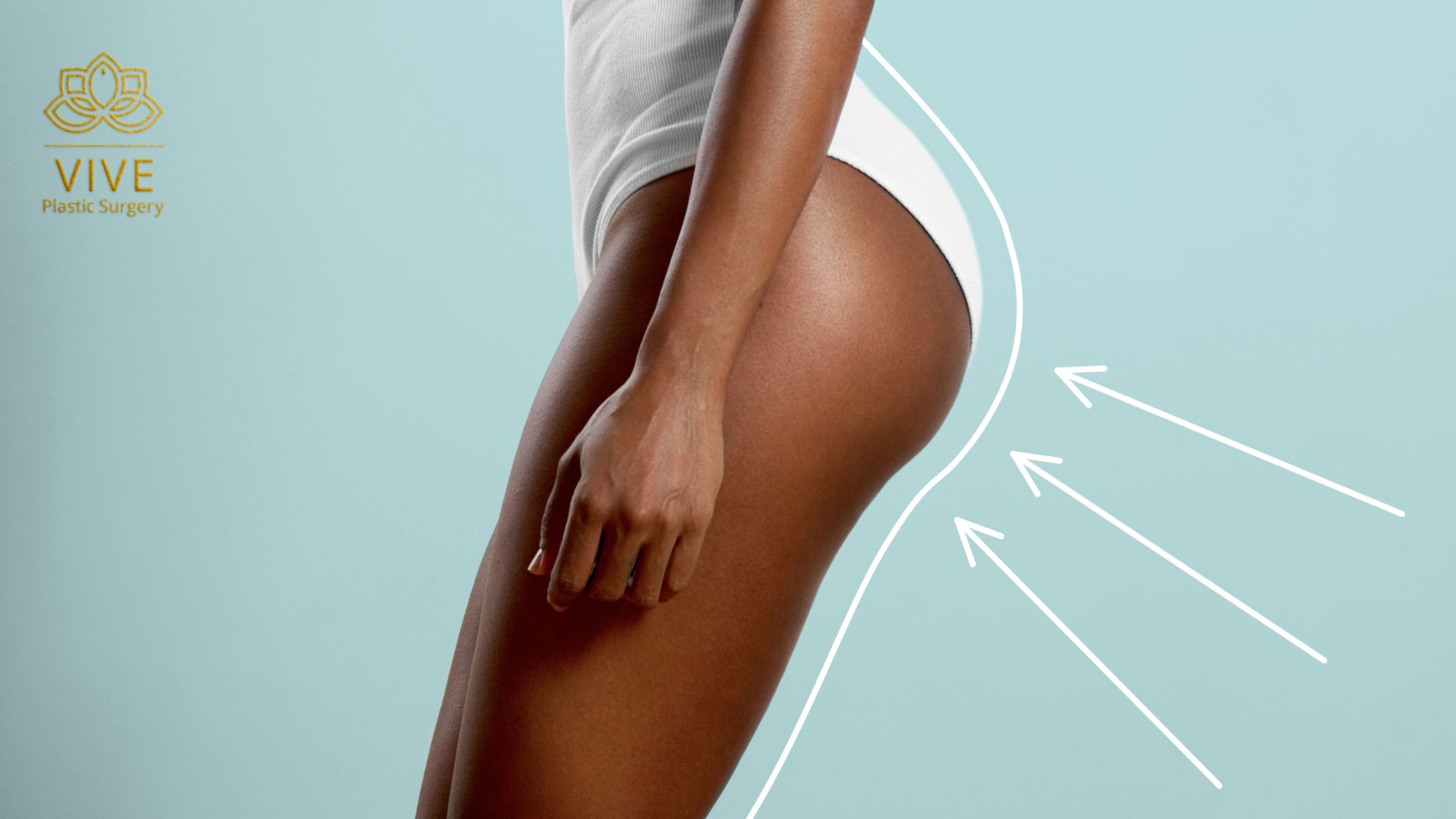
The Brazilian Butt Lift (BBL) has become one of the most requested body contouring procedures. The surgery enhances the shape and size of the buttocks using fat transferred from other areas of the body. Many patients seek a fuller, more sculpted appearance through this technique.
Not every patient qualifies for a BBL. Surgeons carefully evaluate several factors before recommending the procedure. Safety, anatomy, and realistic expectations play a major role in determining candidacy.
Understanding who may not be a candidate helps patients choose appropriate treatments and avoid unnecessary risks.
What a BBL Involves
A Brazilian Butt Lift combines two procedures:
- Liposuction to remove fat from areas such as the abdomen, flanks, back, or thighs
- Fat purification and reinjection into the buttocks to improve shape and projection
The procedure relies on a patient’s own fat cells. The surgeon must harvest enough fat and safely transfer it to the buttocks.
Patients without sufficient fat or with certain medical conditions may not qualify.
Patients with Very Low Body Fat
BBL requires a supply of fat from donor areas. Patients with extremely low body fat may not have enough fat available for safe transfer.
Common donor areas include:
- Abdomen
- Flanks
- Lower back
- Thighs
Very lean individuals may not achieve noticeable enhancement with fat transfer alone.
In these cases, surgeons may discuss alternative procedures such as buttock implants or non-surgical contouring treatments.
Patients with Certain Medical Conditions
Good overall health plays an important role in surgical safety. Some medical conditions increase the risks associated with anesthesia and surgery.
Conditions that may prevent BBL surgery include:
- Uncontrolled diabetes
- Severe heart or lung disease
- Blood clotting disorders
- Significant immune system disorders
Surgeons perform detailed medical evaluations before recommending surgery.
Patients with manageable conditions may still qualify after proper medical clearance.
Individuals with Poor Skin Elasticity
Skin elasticity affects how the buttocks adapt after fat transfer. Loose or severely stretched skin may not support the added volume effectively.
Poor elasticity can lead to:
- Irregular contour
- Sagging appearance
- Less predictable results
Patients with significant skin laxity may benefit from procedures such as a buttock lift instead of fat transfer alone.
A personalized evaluation helps determine the best approach.
Patients with Unrealistic Expectations
Realistic expectations remain essential for satisfaction after cosmetic surgery.
Some patients expect dramatic transformation beyond what fat transfer can safely provide.
A BBL typically produces:
- Natural-looking enhancement
- Improved shape and projection
- Better body proportions
Excessive enlargement goals may require unsafe amounts of fat transfer.
Surgeons focus on balanced, proportionate results that complement the patient’s overall body shape.
Smokers Who Cannot Stop
Smoking interferes with circulation and wound healing. Nicotine reduces oxygen delivery to tissues, which can affect fat survival after transfer.
Risks associated with smoking include:
- Delayed healing
- Increased infection risk
- Poor fat graft survival
- Complications during recovery
Most surgeons require patients to stop smoking several weeks before and after surgery.
Patients unable to stop smoking may not qualify for BBL surgery.
Patients Who Cannot Follow Recovery Guidelines
Recovery after BBL requires strict postoperative care.
Key instructions include:
- Avoid sitting directly on the buttocks for several weeks
- Sleep on the stomach or side
- Wear compression garments
- Attend follow-up appointments
Patients who cannot follow these guidelines due to lifestyle or work demands may risk compromising results.
Proper recovery habits support fat survival and overall safety.
Individuals Seeking Weight Loss
BBL is a body contouring procedure rather than a weight-loss solution.
Patients with significant weight-loss goals may not benefit from fat transfer until weight stabilizes.
Surgeons often recommend:
- Achieving a stable weight before surgery
- Maintaining healthy lifestyle habits
- Addressing major weight concerns first
Stable weight helps preserve long-term results.
Psychological Readiness
Emotional readiness also matters. Cosmetic surgery should support healthy self-image rather than unrealistic expectations.
Patients should pursue surgery for personal confidence rather than external pressure.
Surgeons may recommend additional consultation when emotional factors influence surgical decisions.
Alternatives to BBL
Patients who do not qualify for a BBL may still have options for improving body contour.
Possible alternatives include:
- Buttock implants
- Non-surgical body contouring treatments
- Targeted liposuction for shape improvement
- Skin tightening procedures
Each option addresses different anatomical needs.
A consultation helps determine the most suitable treatment.
Questions to Ask Your Surgeon
Patients considering BBL should ask:
- Do I have enough fat for a safe transfer?
- Are there health conditions that affect my candidacy?
- What results are realistic for my body type?
- What recovery steps must I follow?
- Are alternative procedures more appropriate?
Clear communication ensures safe and effective treatment planning.
Final Thoughts
The Brazilian Butt Lift can provide natural-looking enhancement and improved body proportions when performed on appropriate candidates. Not every patient qualifies for the procedure due to body composition, medical conditions, or lifestyle factors.
At VIVE Plastic Surgery, experienced surgeons carefully evaluate each patient’s anatomy, health, and goals to determine whether BBL surgery or another treatment offers the safest and most effective path to achieving desired results.