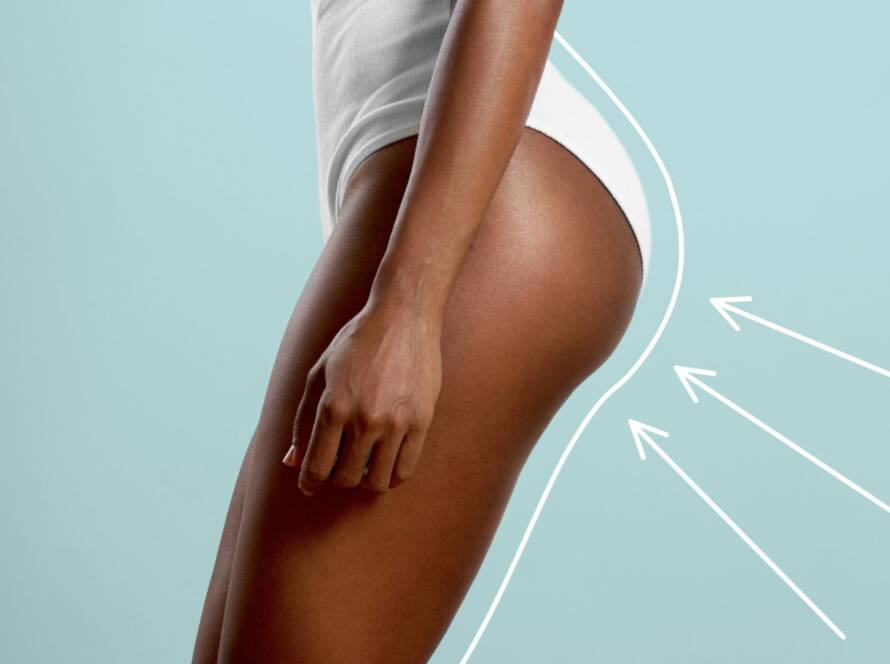
Liposuction removes stubborn fat deposits to improve body contour. Many patients ask if it can serve as a weight loss method. Understanding its purpose helps set realistic expectations and promotes safe outcomes.
Liposuction targets specific areas and enhances proportion, but it is not a substitute for diet and exercise.
How Liposuction Works
Liposuction removes localized fat using small cannulas and suction.
It contours areas that resist diet or exercise.
Commonly treated regions include:
- Abdomen and flanks
- Thighs and hips
- Arms and back
- Chin and neck
- Knees and calves
The procedure reshapes the body, improving overall silhouette.
Ideal Candidates
Good candidates for liposuction typically:
- Are within 30% of their ideal weight
- Maintain a healthy lifestyle
- Have firm, elastic skin
- Desire targeted fat reduction rather than overall weight loss
- Understand the procedure’s limits
Patients with significant obesity may require alternative approaches.
Fat vs. Weight
Liposuction removes fat cells, not a large amount of body weight.
It reduces volume in treated areas and enhances proportion.
Surgical outcomes depend on maintaining a stable weight post-procedure.
Expect gradual contouring, not dramatic weight change.
Common Misconceptions
Some believe liposuction replaces diet or exercise.
Others think it permanently prevents weight gain in treated areas.
The truth:
- Fat cells are removed, but remaining cells can enlarge with weight gain
- Liposuction works best as a complement to healthy lifestyle habits
- It improves shape, not overall health or metabolic function
Patient education ensures realistic expectations.
Procedure Options
Several liposuction techniques exist:
- Tumescent Liposuction: Uses fluid to reduce bleeding and ease fat removal
- Ultrasound-Assisted Liposuction (UAL): Targets dense areas with ultrasonic energy
- Laser-Assisted Liposuction (LAL): Stimulates skin tightening while removing fat
- Power-Assisted Liposuction (PAL): Uses vibrating cannulas for precision
Surgeons choose the method based on anatomy and desired results.
Preparing for Liposuction
Preparation includes:
- Maintaining stable weight before surgery
- Avoiding smoking and certain medications
- Hydrating and eating a balanced diet
- Arranging post-operative support and downtime
Proper preparation minimizes complications and supports healing.
Recovery and Expectations
Recovery depends on the extent of treatment:
- Compression garments reduce swelling and support contour
- Mild bruising and soreness common for several weeks
- Light activity may resume within a few days
- Full results appear gradually over 1–3 months
- Follow-up visits monitor healing and ensure symmetry
Adherence to post-op instructions is key for optimal outcomes.
Combining Liposuction with Other Procedures
Some patients choose combination procedures:
- Tummy tuck or abdominoplasty: Removes excess skin and tightens the abdominal wall
- Body lift or thigh lift: Enhances lower body contour
- Breast surgery: Restores proportion after weight changes
Combining procedures requires careful planning to ensure safety and recovery.
Risks and Safety
Liposuction carries standard surgical risks:
- Infection or bleeding
- Contour irregularities or asymmetry
- Fluid accumulation or seromas
- Changes in skin sensation
Board-certified surgeons minimize risks with proper technique and post-op care.
Long-Term Results
Results are long-lasting if patients maintain:
- Stable weight
- Healthy diet and regular exercise
- Proper skin care and hydration
Liposuction reshapes treated areas but does not prevent future fat accumulation elsewhere.
Questions to Ask Your Surgeon
Important questions include:
- Which areas are best suited for liposuction?
- Which technique provides optimal results for my anatomy?
- What is the expected recovery timeline?
- Are there risks specific to my health history?
- Can liposuction be combined with other procedures safely?
Clear answers improve understanding, confidence, and satisfaction.
Final Thoughts
Liposuction enhances body contour and targets stubborn fat areas, but it is not a weight loss solution. Patients achieve the best results when combining surgery with a healthy lifestyle.
A consultation at VIVE Plastic Surgery assesses anatomy, sets realistic expectations, and develops a personalized plan. Professional guidance ensures safe procedures, effective contouring, and long-term satisfaction.