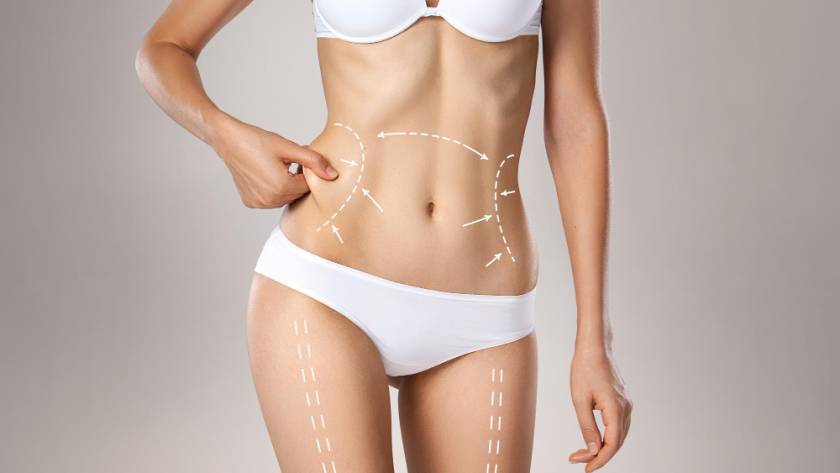
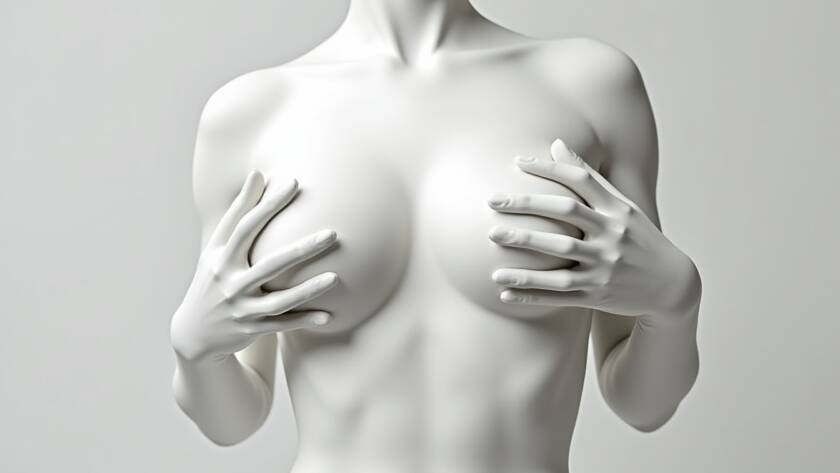
One of the primary goals of plastic surgery is not simply to change a specific body part—it is to create better overall balance. Whether addressing the face, breasts, abdomen, or body contours, experienced plastic surgeons focus on improving proportion, symmetry, and harmony rather than making isolated changes.
Because every patient has a unique body shape…
Regular exercise is one of the best ways to improve overall health, build muscle, and reduce body fat. However, many people discover that even after reaching their weight-loss goals, loose abdominal skin remains. This can be frustrating, especially for individuals who have worked hard through diet and exercise.
The reason is simple: exercise strengthens muscles…
Pregnancy and childbirth can bring significant changes to the body, including stretched abdominal muscles, loose skin, changes in breast volume, and stubborn fat deposits. While many of these changes improve naturally over time, some may persist despite healthy eating and regular exercise.
For women considering cosmetic procedures such as a tummy tuck, breast surgery, liposuction,…
Rhinoplasty is one of the most personalized procedures in plastic surgery. Every nose has unique anatomical features, and each patient has different aesthetic goals. One tool that has become increasingly valuable during the consultation process is computer imaging, which allows surgeons and patients to visualize potential changes before surgery.
While computer imaging cannot predict an…
Facial aging is not caused by skin changes alone. One of the most important—but often overlooked—factors is the behavior of facial fat over time. As we age, fat in the face does not simply disappear; it shifts, shrinks, and redistributes in a way that changes facial shape and expression.
Understanding these changes is essential for…
Pregnancy is one of the most significant physical changes the human body can undergo. While many changes reverse naturally after childbirth, skin does not always return to its original pre-pregnancy state. This is especially noticeable in the abdomen, breasts, and lower body.
The reason lies in how pregnancy affects skin elasticity, collagen structure, and underlying…
Abdominoplasty, commonly known as a tummy tuck, is a surgical procedure designed to remove excess abdominal skin and tighten underlying structures. While many patients focus on fat removal or muscle repair, one of the most important factors influencing surgical outcomes is often overlooked: skin elasticity.
Skin elasticity plays a key role in how the abdomen…
Liposuction is one of the most commonly performed body contouring procedures, yet many patients still wonder what actually happens to fat cells once they are removed. Is the fat gone forever? Can it come back? Does the body replace it?
The answer lies in understanding how fat cells behave in the human body and how…
Before undergoing any breast surgery—such as augmentation, lift, or reconstruction—it is essential to understand the basic anatomy of the breast. This knowledge helps patients make more informed decisions and better understand how surgical techniques interact with natural structures.
Breast surgery is not only about size or shape. It involves working with multiple layers of tissue,…
Choosing a plastic surgeon is one of the most important decisions in any aesthetic or reconstructive journey. The qualifications, training, and ethical standards of the surgeon directly influence not only the final results, but also the safety of the procedure.
Among all factors, board certification is one of the strongest indicators of a surgeon’s formal…
For many men, excess chest fullness can be a source of frustration, self-consciousness, and decreased confidence. While diet and exercise can improve overall body composition, they do not always resolve enlargement of the male chest. In many cases, the underlying issue is gynecomastia, a condition involving excess glandular breast tissue, fat, or a combination of…
When people think about facial aging, they often focus on wrinkles, jowls, or sagging skin. However, one of the first areas to show signs of aging is actually the eyes. Because the skin around the eyes is thinner and more delicate than elsewhere on the face, even subtle changes can have a significant impact on…