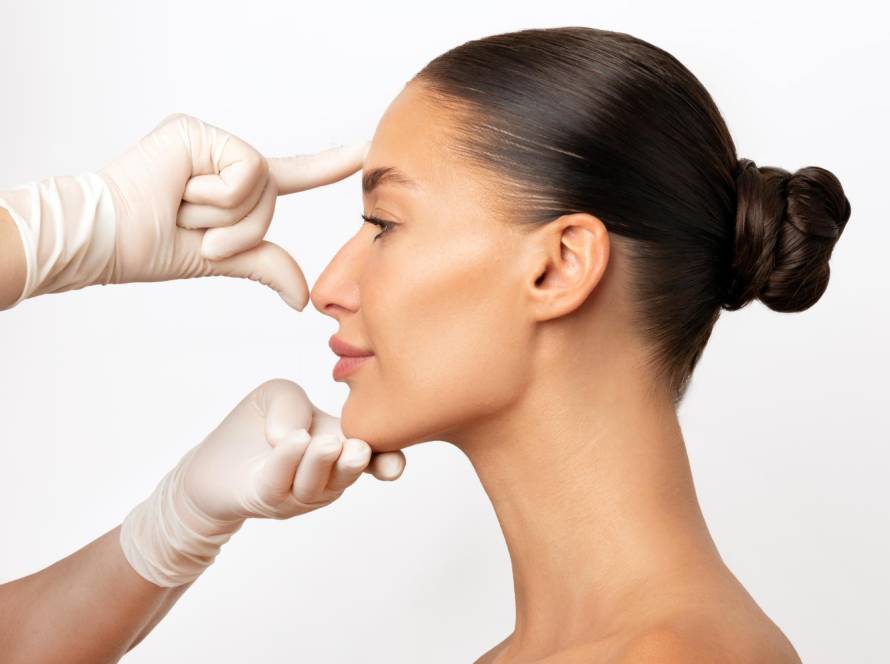
Neck bands, also called platysmal bands, appear with age due to muscle laxity and skin sagging. A facelift addresses not only the lower face but can also improve neck contour. Proper technique restores smooth, youthful lines and strengthens underlying structures.
Consultation with a board-certified plastic surgeon determines whether a facelift alone or combined neck procedures are ideal.
What Causes Neck Bands
Neck bands form due to:
- Weakening and separation of the platysma muscle
- Loss of skin elasticity
- Fat accumulation or redistribution
- Natural aging and gravity effects
Understanding the cause helps guide the best surgical approach.
How a Facelift Addresses Neck Bands
Facelift techniques for neck improvement include:
- Tightening and repositioning underlying muscles
- Removing excess skin while preserving natural movement
- Contouring the jawline for smooth transition to the neck
- Optional liposuction to reduce fat deposits beneath the chin
Layered closure and careful dissection enhance results and minimize complications.
Ideal Candidates
Good candidates typically:
- Exhibit sagging skin and visible platysmal bands
- Have realistic expectations for neck and facial contour
- Are in good overall health
- Do not smoke or are willing to quit before surgery
Assessment ensures that surgery will provide functional and aesthetic improvement.
Combining Neck Procedures
Facelift can be combined with:
- Neck lift: Direct platysma tightening and skin removal
- Liposuction: Enhances contour and reduces fullness
- Chin or jawline augmentation: Provides improved support and definition
Combination procedures achieve a balanced and youthful profile.
Recovery Timeline
Facelift recovery varies by extent:
- Swelling and bruising for 2–3 weeks
- Light activity resumes after 1–2 weeks
- Strenuous exercise or lifting restricted for 4–6 weeks
- Sutures removed within 1–2 weeks
- Final contour visible after several months
Following post-operative instructions ensures optimal healing.
Risks and Considerations
Neck and facelift surgery carries risks:
- Infection or bleeding
- Temporary or permanent changes in skin sensation
- Minor asymmetry or scar irregularities
- Rare complications related to anesthesia
Choosing a board-certified surgeon with extensive experience reduces risk.
Long-Term Maintenance
Maintaining results involves:
- Healthy lifestyle and weight management
- Sun protection to preserve skin elasticity
- Skincare and hydration
- Periodic follow-up to monitor changes
Lifestyle factors support longevity of surgical results.
Questions to Ask Your Surgeon
Patients should clarify:
- Will a facelift alone improve my neck bands or is a neck lift needed?
- How will muscle tightening be performed?
- What is the expected recovery timeline and precautions?
- Can liposuction or implants enhance results safely?
- How will scars be managed for minimal visibility?
Clear communication ensures realistic expectations and satisfaction.
Final Thoughts
A facelift can significantly improve neck bands by tightening muscles, removing excess skin, and restoring jawline contour. Proper assessment, surgical technique, and post-operative care ensure long-lasting, natural results.
Consultation at VIVE Plastic Surgery evaluates anatomy, determines procedure options, and develops a personalized plan. Expert guidance maximizes safety, aesthetics, and long-term patient satisfaction.