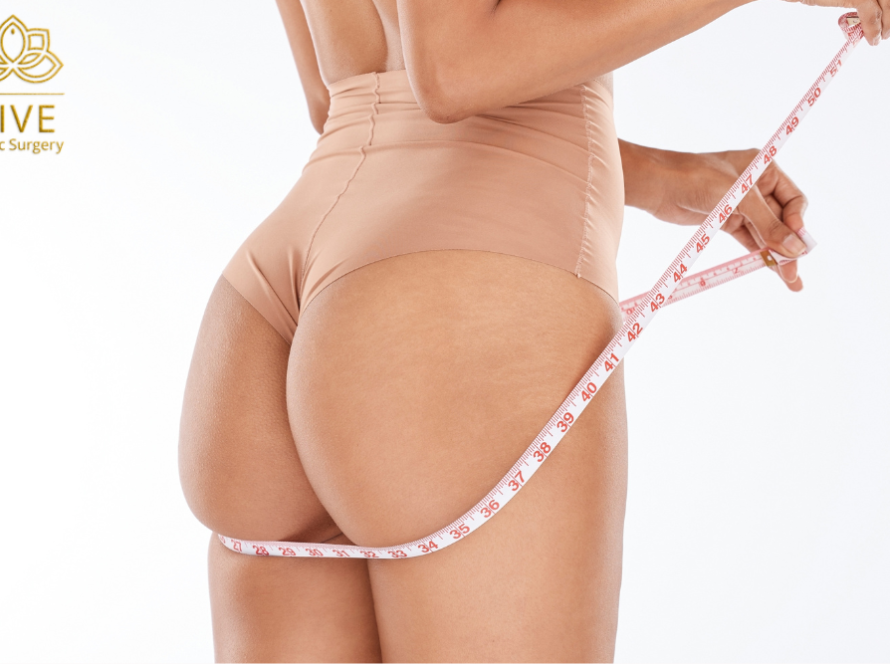
Liposuction removes localized fat deposits but does not tighten skin directly. Skin retraction determines the final contour after fat removal. Understanding this process helps patients set realistic expectations and achieve smooth results.
Consultation with a board-certified plastic surgeon evaluates skin quality and predicts post-lipo outcomes.
How Skin Retraction Works
Skin retraction depends on elasticity, thickness, and age.
After fat removal, the skin must conform to the new underlying shape. Good elasticity allows skin to shrink naturally. Reduced elasticity can lead to loose or sagging areas.
Factors influencing retraction include:
- Age and collagen quality
- Sun damage and skin texture
- Genetics and previous weight changes
- Extent of fat removal
- Location of the treated area
Recognizing these factors guides surgical planning and patient expectations.
Ideal Candidates for Optimal Retraction
Patients with the best skin retraction typically:
- Are under 50 years old
- Have firm, healthy skin
- Maintain stable weight
- Have minimal stretch marks
- Avoid significant sun damage
Candidates with lax skin may need additional procedures for optimal contour.
Combining Lipo with Skin Tightening
Some patients combine liposuction with procedures that enhance skin contraction:
- Radiofrequency (RF) treatments: Stimulate collagen production
- Laser-assisted lipo: Tightens skin while removing fat
- Ultrasound-assisted lipo: Enhances contour and skin retraction
Combination approaches maximize smooth, natural-looking results.
Recovery and Skin Adaptation
Skin gradually adapts over several weeks to months:
- Swelling and bruising are normal during early recovery
- Compression garments support contour and skin adaptation
- Light massage or gentle skin stimulation may improve results
- Final contour becomes visible as tissue heals and contracts
Patience is essential, as skin remodeling continues over time.
Common Concerns
Patients may notice:
- Minor loose areas immediately after lipo
- Slight rippling or uneven texture
- Differences in retraction between treated zones
Surgeons provide strategies to address these concerns and plan touch-ups if necessary.
Lifestyle and Skin Retraction
Healthy habits support skin elasticity and long-term results:
- Balanced diet with protein and antioxidants
- Hydration to maintain skin flexibility
- Avoid smoking to preserve collagen
- Gradual weight management to prevent additional sagging
Lifestyle plays a key role in maintaining contour and skin quality.
When Additional Procedures Are Needed
Skin laxity may require secondary procedures:
- Tummy tuck or body lift: Removes excess skin and tightens areas after major fat removal
- Thigh or arm lift: Improves contour in patients with reduced elasticity
- Fat grafting: Restores volume in localized depressions
Combined procedures enhance aesthetic outcomes and overall satisfaction.
Expectations for Different Areas
Skin retraction varies by body region:
- Abdomen and flanks respond well in younger patients
- Thighs may require additional tightening
- Arms and knees often have less elasticity
- Chin and neck retract quickly with proper technique
Understanding regional differences helps patients plan treatment and recovery.
Questions to Ask Your Surgeon
Clarify expectations with your surgeon:
- How well will my skin retract after lipo?
- Which areas may need additional tightening?
- What techniques enhance skin contraction?
- How long does final contour take to appear?
- Are combination procedures recommended for my case?
Informed discussions improve satisfaction and reduce surprises.
Final Thoughts
Skin retraction determines the ultimate appearance after liposuction. Age, elasticity, and lifestyle affect results. Some patients benefit from complementary procedures to achieve smooth, natural-looking contours.
A consultation at VIVE Plastic Surgery evaluates skin quality, outlines expectations, and develops a personalized plan. Professional guidance ensures safer surgery, optimal contour, and long-term satisfaction.