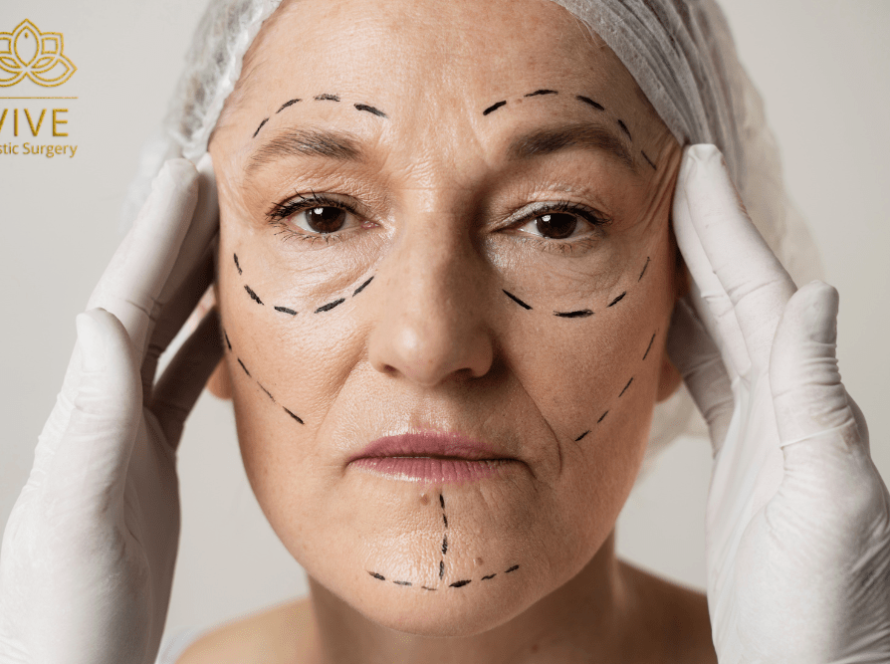
Chin surgery, including chin implants or chin liposuction, reshapes the jawline and lower face for improved balance and aesthetics. Recovery depends on procedure type, extent, and patient factors. Understanding the timeline helps patients plan work, social activities, and follow-up care.
Consultation with a board-certified plastic surgeon ensures realistic expectations and safe recovery planning.
Immediate Post-Operative Period (Days 1–3)
The first days after chin surgery focus on managing swelling, bruising, and discomfort:
- Cold compresses reduce swelling and provide comfort
- Mild pain medications help manage discomfort
- Soft diet may be recommended for chin implant patients
- Minimal physical activity preserves healing tissues
Proper care during this period sets the stage for smooth recovery.
Early Recovery (Week 1)
During the first week:
- Swelling and bruising peak, then gradually decrease
- Sutures may be removed or dissolve depending on the technique
- Light walking is encouraged to improve circulation
- Avoid bending, lifting, or strenuous activity
Maintaining proper head position while sleeping and using any recommended compression garments supports healing.
Intermediate Recovery (Weeks 2–4)
During weeks two through four:
- Most visible bruising resolves
- Swelling continues to diminish
- Patients may resume most light activities
- Resume normal eating habits as tolerated
- Continue following incision care instructions
This phase is critical for soft tissue settling and early contour formation.
Late Recovery (Weeks 4–12)
Between one and three months:
- Swelling resolves significantly, revealing improved jawline
- Numbness or altered sensation gradually decreases
- Patients can resume moderate exercise with caution
- Final contour begins to stabilize
Patience and adherence to follow-up appointments ensure the best outcomes.
Long-Term Results (3–12 Months)
Full results from chin surgery typically appear within 6–12 months:
- Soft tissues fully settle around implants or liposuctioned areas
- Scars mature and fade gradually
- Jawline definition stabilizes
- Optimal results are achieved with proper post-operative care and lifestyle
Monitoring progress with your surgeon ensures early detection of any issues.
Factors Affecting Recovery
Recovery may vary based on:
- Type of surgery: implant versus liposuction
- Extent of correction and tissue manipulation
- Age and overall health
- Smoking status or medication use
- Compliance with post-operative instructions
Personalized guidance ensures safer, smoother recovery.
Tips for a Smooth Recovery
Patients can improve outcomes by:
- Keeping the head elevated while resting
- Avoiding excessive movement or pressure on the chin
- Following dietary recommendations
- Applying cold compresses as advised
- Attending all follow-up appointments
Proactive care accelerates healing and minimizes complications.
Risks and Complications
Chin surgery carries potential risks:
- Infection or bleeding
- Swelling and bruising beyond normal expectations
- Temporary or permanent numbness
- Contour irregularities or asymmetry
Selecting a board-certified surgeon reduces risks and improves overall results.
Questions to Ask Your Surgeon
Patients should ask:
- How long will swelling and bruising last for my procedure?
- When can I safely resume exercise and normal activities?
- How should I care for my incision sites?
- Are there specific precautions for eating, sleeping, or head positioning?
- What signs indicate a problem requiring immediate attention?
Clear guidance ensures safer recovery and predictable outcomes.
Final Thoughts
Recovery after chin surgery follows predictable phases, from immediate post-operative care to long-term tissue settling. Adhering to instructions, attending follow-up visits, and maintaining healthy habits ensure optimal jawline definition and natural results.
Consultation at VIVE Plastic Surgery provides individualized recovery planning, monitors healing progress, and offers guidance to achieve safe, long-lasting outcomes for every patient.