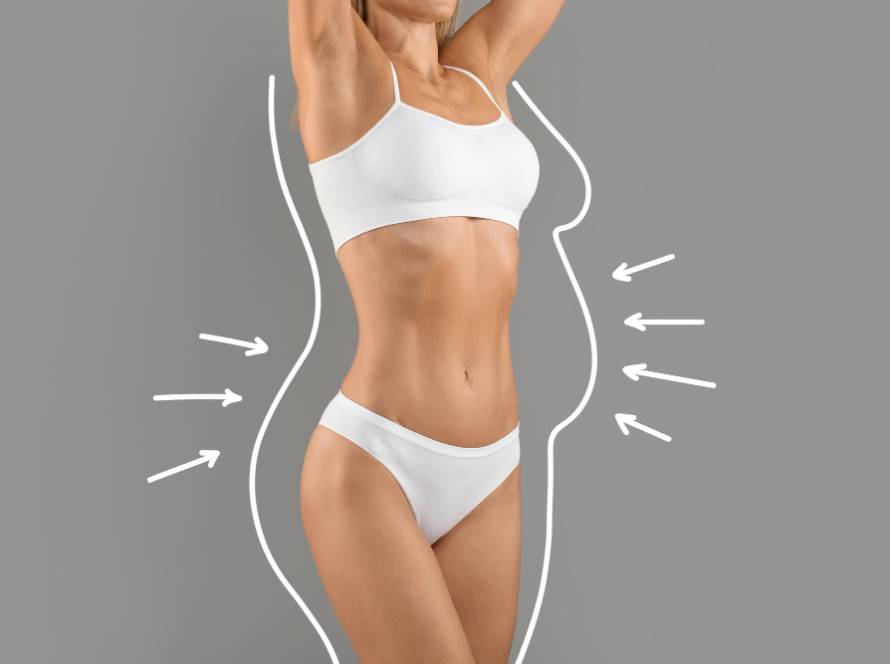
Choosing the right breast implant size is one of the most important decisions in breast augmentation. Many patients initially focus on cup size, but achieving natural, balanced results involves much more than that.
The ideal implant size depends on your anatomy, aesthetic goals, and lifestyle—not just a number.
Why Implant Size Matters
Breast implant size affects:
- Overall body proportions
- Clothing fit
- Long-term comfort
- Surgical outcomes
Selecting the right size helps ensure results that look natural and feel right for your body.
Cup Size vs Implant Volume
One of the biggest misconceptions is thinking in terms of bra cup size.
In reality:
- Implants are measured in cubic centimeters (cc)
- Cup sizes vary between brands and body types
- The same implant size can look different on different patients
This is why personalized planning is essential.
Factors That Influence the Right Size
Body Frame and Proportions
Your height, weight, shoulder width, and chest shape all play a role.
A size that looks balanced on one person may look too large or too small on another.
Existing Breast Tissue
Patients with more natural breast tissue may achieve fuller results with smaller implants, while those with less tissue may need different sizing strategies.
Chest Wall Dimensions
The width of your chest helps determine how wide the implant should be for a natural fit.
Skin Elasticity
Firm, elastic skin supports implants better, while tighter skin may limit size options.
Implant Profile Matters Too
Size is not the only factor—implant profile (how far the implant projects) also affects the final look.
Profiles include:
- Low profile (wider, less projection)
- Moderate profile
- High profile (narrower, more projection)
Two implants with the same volume can look very different depending on profile.
Desired Look: Natural vs Fuller
Your aesthetic goals are key.
- Natural look: more subtle enhancement, proportional to your body
- Fuller look: more noticeable volume and projection
Communicating your preferences clearly helps guide the decision.
Lifestyle Considerations
Your daily activities should also be considered.
For example:
- Highly active individuals may prefer more moderate sizes
- Larger implants may affect comfort during exercise
Balancing aesthetics with lifestyle is important.
Using Sizers and Imaging
Many surgeons use tools to help visualize results.
These may include:
- Implant sizers (placed in a bra)
- 3D imaging simulations
These tools help you better understand how different sizes may look on your body.
Avoiding “Too Big” or “Too Small”
Common concerns include:
- Going too large and feeling uncomfortable
- Going too small and feeling underwhelmed
A thorough consultation helps find the right balance.
Long-Term Considerations
Implant size can impact long-term outcomes.
Larger implants may:
- Increase strain on tissues
- Affect skin over time
Choosing a size that fits your anatomy helps maintain results.
The Importance of Surgeon Guidance
An experienced plastic surgeon will:
- Evaluate your anatomy
- Recommend appropriate size ranges
- Help align expectations with realistic outcomes
This guidance is essential for a safe and satisfying result.
Questions to Ask Your Surgeon
Before making a decision, consider asking:
- What size range is best for my body?
- How will this look long-term?
- What profile should I choose?
- Can I see simulations or examples?
- What happens if I want to adjust size later?
Clear communication leads to better results.
Final Thoughts
Choosing the right breast implant size is a personalized process that goes beyond numbers. It involves balancing your body proportions, goals, and lifestyle to achieve natural, harmonious results.
At VIVE Plastic Surgery, each breast augmentation is carefully planned using a tailored approach, helping patients feel confident in their decision and satisfied with results that complement their unique anatomy.