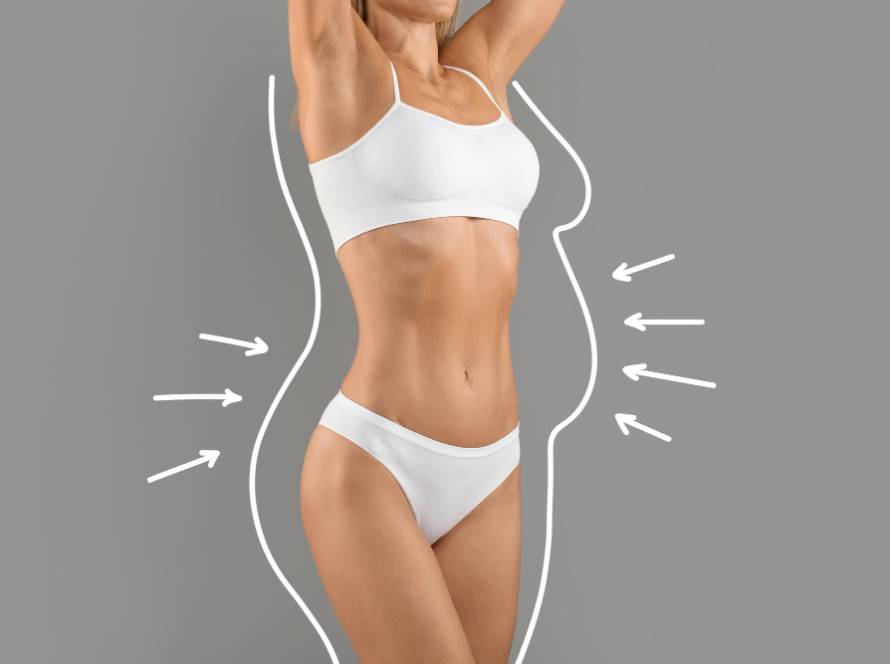
Choosing between silicone and saline breast implants is one of the most important decisions in breast augmentation. While both options are FDA-approved and widely used, they differ in feel, appearance, behavior, and maintenance.
Understanding these differences helps you make a more informed and personalized decision.
What Are Saline Implants?
Saline implants are filled with sterile saltwater (saline solution).
Key Characteristics:
- Inserted empty and filled once in place
- Adjustable volume during surgery
- Typically require a slightly smaller incision
How They Feel:
- Tend to feel firmer
- May be more noticeable in thinner patients
What Are Silicone Implants?
Silicone implants are pre-filled with a cohesive silicone gel designed to mimic natural breast tissue.
Key Characteristics:
- Pre-filled before insertion
- Come in various shapes and firmness levels
- Require a slightly larger incision
How They Feel:
- Generally softer and more natural
- Closer to the feel of real breast tissue
Appearance: Which Looks More Natural?
For many patients:
- Silicone implants tend to look more natural, especially in patients with less natural breast tissue
- Saline implants may have a higher chance of visible rippling under the skin
However, results also depend on:
- Implant placement
- Surgical technique
- Individual anatomy
Safety Considerations
Both implant types are considered safe and FDA-approved, but they differ in how issues are detected.
Saline Implants:
- If a rupture occurs, the implant deflates quickly
- The body absorbs the saline safely
- Changes are immediately noticeable
Silicone Implants:
- Ruptures may be “silent” (not immediately visible)
- Regular imaging (such as MRI or ultrasound) may be recommended
- The gel typically remains within the implant capsule
Durability and Longevity
Neither implant type is considered “lifetime devices.”
- Both typically last 10–20 years or more
- Replacement may be needed over time
Longevity depends on factors like:
- Body changes
- Implant type and placement
- Lifestyle
Incision and Placement
- Saline implants: inserted empty → smaller incision
- Silicone implants: pre-filled → slightly larger incision
Both types can be placed:
- Under the muscle
- Over the muscle
Placement plays a major role in final results.
Who Might Prefer Saline?
Saline implants may be a good option for patients who:
- Prefer immediate detection of rupture
- Want a smaller incision
- Are less concerned about firmness
Who Might Prefer Silicone?
Silicone implants are often preferred by patients who:
- Want the most natural look and feel
- Have thinner breast tissue
- Are prioritizing aesthetic realism
Cost Differences
In many cases:
- Silicone implants are slightly more expensive
- Saline implants tend to be more budget-friendly
However, total cost depends on the procedure and provider.
Are Results Permanent?
Both implant types require:
- Long-term monitoring
- Possible replacement in the future
A breast augmentation is not a one-time, lifetime procedure.
Making the Right Choice
There is no single “best” implant—only the one that best fits your:
- Body type
- Aesthetic goals
- Lifestyle
- Comfort level with maintenance
A personalized consultation is essential.
Final Thoughts
Silicone and saline implants each offer distinct advantages. Silicone tends to provide a more natural feel and appearance, while saline offers simplicity and immediate rupture detection. The right choice depends on your priorities and anatomy.
At VIVE Plastic Surgery, implant selection is carefully guided through a personalized approach—ensuring results that are safe, balanced, and aligned with each patient’s goals.