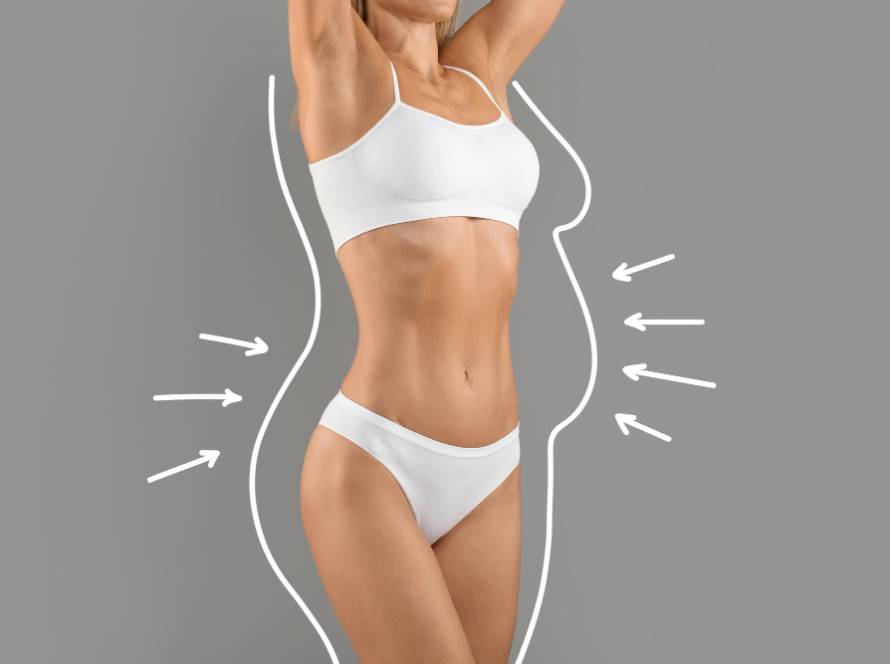
The Brazilian Butt Lift (BBL) has become one of the most requested body contouring procedures in the world. By using a patient’s own fat to enhance the shape and volume of the buttocks, a BBL can create natural-looking curves while simultaneously slimming other areas through liposuction.
However, if you’ve researched the procedure online, you’ve likely encountered discussions about safety. Questions such as “Is a BBL dangerous?” or “How safe is a Brazilian Butt Lift?” are common—and for good reason.
The reality is that a BBL is a surgical procedure that carries risks, just like any operation. At the same time, significant advances in surgical techniques, safety protocols, and physician education have dramatically improved outcomes over the past decade.
Understanding the facts can help patients make informed decisions and choose qualified providers.
What Is a Brazilian Butt Lift?
A Brazilian Butt Lift is a body contouring procedure that involves two primary steps:
Step 1: Liposuction
Fat is removed from areas such as:
- Abdomen
- Waist
- Flanks
- Back
- Thighs
The harvested fat is then processed and purified.
Step 2: Fat Transfer
The purified fat is carefully injected into specific areas of the buttocks to enhance:
- Volume
- Projection
- Shape
- Symmetry
Unlike buttock implants, a BBL uses the patient’s own tissue.
Why Has BBL Safety Received Attention?
Historically, concerns about BBL safety arose because of rare but serious complications associated with improper fat injection techniques.
The most significant concern involves:
Fat Embolism
A fat embolism can occur if fat enters large blood vessels and travels through the bloodstream.
This complication can be life-threatening.
Research identified that the greatest risk occurred when fat was injected too deeply into or below the gluteal muscles.
As a result, international plastic surgery organizations developed updated guidelines to improve patient safety.
How Modern BBL Techniques Have Improved Safety
Over the last several years, major advances have significantly changed how BBL procedures are performed.
Current safety recommendations emphasize:
Fat Placement Above the Muscle
Modern guidelines generally recommend injecting fat into the:
- Subcutaneous tissue
- Fat layer above the muscle
rather than deep within the muscle itself.
This approach reduces the likelihood of fat entering major blood vessels.
Ultrasound-Assisted Monitoring
Some surgeons now use real-time ultrasound guidance during fat injection.
Ultrasound allows visualization of the cannula tip and surrounding tissues during the procedure.
Benefits may include:
- Improved precision
- Better anatomical awareness
- Enhanced safety
This technology has become increasingly important in modern BBL practice.
Is a BBL Safe When Performed Correctly?
No surgical procedure is completely risk-free.
However, when performed by a qualified surgeon using current safety protocols, a BBL can be performed safely in appropriate candidates.
Several factors influence overall safety:
- Surgeon training
- Surgical technique
- Patient selection
- Facility accreditation
- Postoperative care
The experience and judgment of the surgical team play a critical role.
Why Choosing the Right Surgeon Matters
Perhaps the most important safety decision a patient can make is selecting a qualified plastic surgeon.
Patients should look for:
- Board certification (where applicable)
- Specialized training
- Experience performing BBL procedures
- Accredited surgical facilities
- Transparent consultation processes
A reputable surgeon should be willing to discuss both benefits and risks openly.
What Are the General Risks of BBL Surgery?
Like all surgical procedures, a BBL carries potential risks, including:
- Bleeding
- Infection
- Fluid accumulation
- Scarring
- Asymmetry
- Fat resorption
- Need for revision surgery
Most complications are uncommon, but understanding them is part of informed decision-making.
What Happens to the Transferred Fat?
Not all transferred fat survives permanently.
After surgery:
- Some fat cells establish a blood supply and remain long term.
- Some fat cells are naturally reabsorbed by the body.
This is a normal part of the healing process.
For this reason, surgeons often account for expected fat loss when planning the procedure.
Who Is a Good Candidate for a BBL?
Ideal candidates generally:
- Are in good overall health
- Have realistic expectations
- Have sufficient fat available for harvesting
- Are non-smokers or willing to stop smoking
- Maintain a stable weight
A thorough medical evaluation helps determine candidacy.
How Does Recovery Affect Results?
Recovery plays a major role in both safety and aesthetic outcomes.
Patients typically receive instructions regarding:
- Activity restrictions
- Compression garments
- Sleeping positions
- Sitting modifications
- Follow-up visits
Following postoperative guidance carefully helps support healing and fat survival.
Can a BBL Be Combined With Other Procedures?
Yes.
Many patients combine a BBL with procedures such as:
- Liposuction
- Tummy tuck
- Breast surgery
- Mommy makeover
However, combining procedures may increase operative complexity and recovery demands.
A surgeon can help determine what is appropriate based on individual circumstances.
Questions Patients Should Ask During Consultation
Before undergoing a BBL, patients should consider asking:
- How often do you perform BBL procedures?
- What safety protocols do you follow?
- Where will the fat be injected?
- Is the surgery performed in an accredited facility?
- What should I expect during recovery?
- What complications should I understand before proceeding?
An informed patient is better equipped to make confident decisions.
Understanding Online Information About BBL Safety
Online discussions about BBL safety often include outdated information or fail to distinguish between older techniques and modern standards.
While historical safety concerns were significant, current recommendations have led to substantial improvements in procedural safety.
This is why evaluating the source of information is important.
Medical guidance from qualified professionals is generally more reliable than anecdotal reports found online.
Safety Is About More Than the Procedure
Successful outcomes depend on more than the surgery itself.
Safety also involves:
- Proper patient selection
- Preoperative evaluation
- Skilled anesthesia care
- Modern surgical techniques
- Careful postoperative monitoring
Each step contributes to reducing risk and improving outcomes.
The Bigger Picture
A Brazilian Butt Lift is both a fat transfer procedure and a body contouring procedure.
Its success depends on:
- Thoughtful surgical planning
- Proper fat harvesting
- Safe fat injection techniques
- Patient compliance during recovery
When these elements come together, patients can achieve natural-looking enhancement while maintaining a strong focus on safety.
Final Thoughts
A Brazilian Butt Lift has historically been associated with safety concerns, but modern surgical protocols, improved anatomical understanding, and updated injection techniques have significantly advanced the procedure. Today, the most important factors influencing safety are surgeon expertise, adherence to current guidelines, appropriate patient selection, and treatment in an accredited surgical environment.
For patients considering a BBL, education and careful provider selection are essential. Understanding both the benefits and risks allows individuals to make informed decisions and approach surgery with realistic expectations.
At VIVE Plastic Surgery, patient safety remains the highest priority. Every procedure begins with a comprehensive consultation, individualized treatment planning, and a commitment to evidence-based surgical techniques designed to achieve beautiful, natural-looking results while maintaining the highest standards of care.