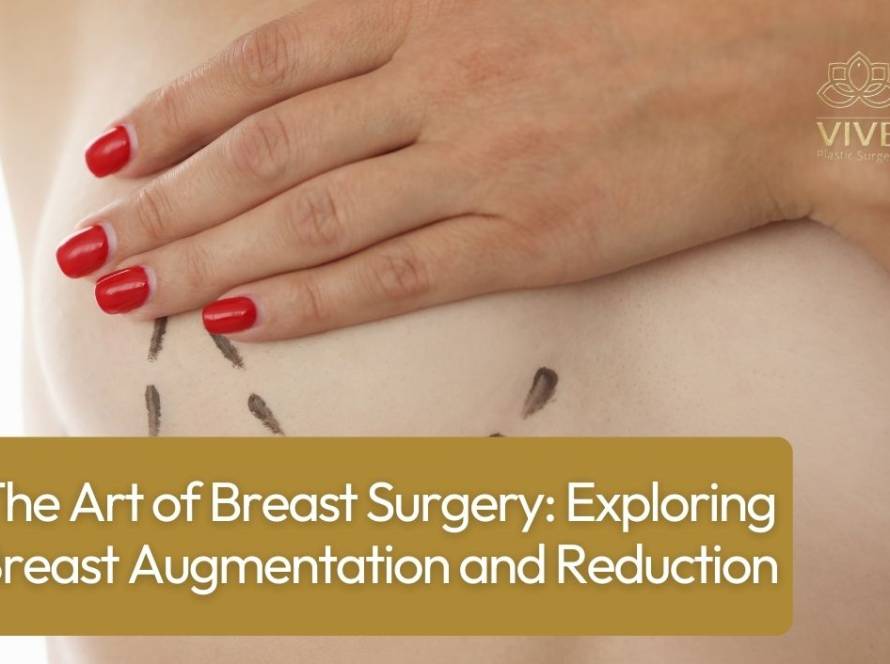
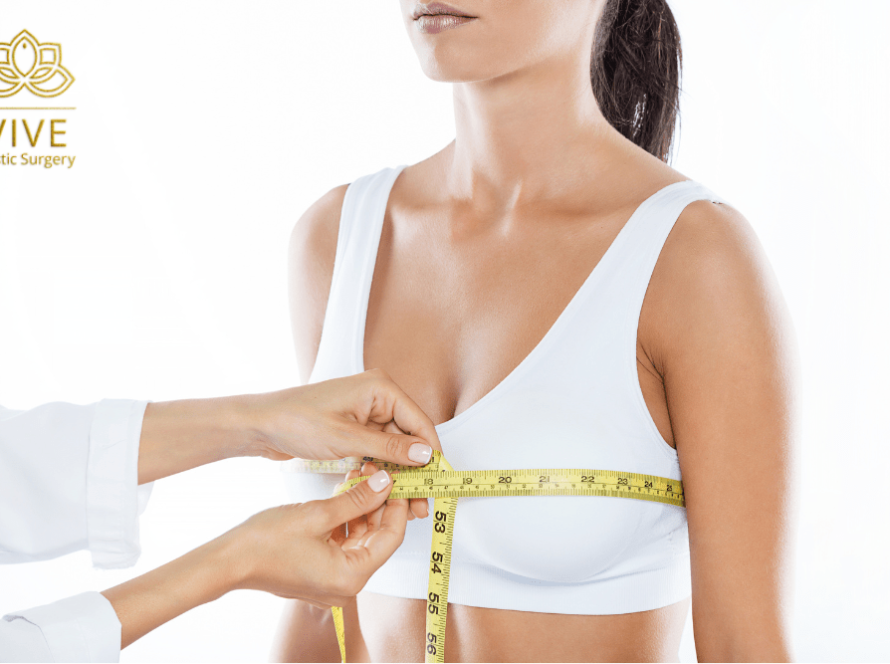
Breast augmentation can create fuller, more balanced contours. Many patients enjoy long-lasting results after implant surgery. Body weight can change over time, which may influence how the breasts look and feel.
Breast implants keep their volume regardless of weight fluctuations. Natural breast tissue surrounding the implants can expand or shrink with weight changes. Understanding this relationship helps patients maintain consistent results after surgery.
Understanding Breast Anatomy and Implants
Breasts consist of several components:
- Glandular tissue
- Fat tissue
- Skin
- Connective structures that support breast shape
Breast implants sit beneath breast tissue or chest muscle depending on surgical technique. The implant maintains its size because it contains silicone gel or saline solution.
Fat tissue within the breast can increase or decrease when body weight changes. These variations influence overall breast appearance even though the implant volume remains constant.
What Happens with Weight Gain
Weight gain often increases fat stores throughout the body, including the breasts. The natural breast tissue surrounding the implant may expand.
Possible effects include:
- Slight increase in breast size
- Fuller appearance around the implant
- Changes in breast shape or softness
Skin elasticity also plays a role. Significant weight gain may stretch breast skin and supporting tissue.
Moderate weight changes usually cause only subtle differences.
What Happens with Weight Loss
Weight loss reduces fat throughout the body. The natural breast tissue around implants may decrease in volume.
Patients may notice:
- Less fullness in the upper breast
- Slightly more visible implant edges in some cases
- Changes in skin tightness
The implant remains the same size. Reduced surrounding tissue may create a different contour.
Patients with minimal natural breast tissue before augmentation may see fewer visible changes with weight loss.
Large Weight Fluctuations
Significant weight changes can affect overall breast aesthetics.
Possible changes include:
- Altered breast shape
- Increased skin laxity
- Visible implant edges in thinner tissue
- Loss of upper breast fullness
Massive weight loss sometimes leads to excess skin or sagging. Breast lift procedures may restore contour in these situations.
Maintaining stable weight supports long-term implant results.
Implant Placement and Weight Changes
Implant placement can influence how weight changes affect breast appearance.
Two common placements include:
Submuscular placement
- Implant sits beneath chest muscle
- Provides additional soft tissue coverage
- May reduce visibility of implant edges
Subglandular placement
- Implant sits above the muscle beneath breast tissue
- Creates more pronounced projection
- Changes in breast fat may appear more noticeable
Surgeons recommend placement based on anatomy, lifestyle, and aesthetic goals.
Skin Elasticity and Tissue Support
Skin elasticity determines how well the breast adapts to body changes. Strong connective tissue can maintain breast shape even with moderate weight variation.
Factors that influence skin elasticity include:
- Age
- Genetics
- Pregnancy history
- Sun exposure
- Smoking habits
Healthy skin and strong tissue support help preserve implant results.
Maintaining Stable Results
Patients who maintain relatively stable weight often preserve the most consistent breast appearance after augmentation.
Healthy habits include:
- Balanced nutrition
- Regular exercise
- Avoiding extreme dieting
- Staying hydrated
- Maintaining stable lifestyle routines
These practices support both overall health and long-term cosmetic results.
Pregnancy and Weight Changes
Pregnancy often causes natural weight fluctuations and breast changes. Hormonal shifts increase glandular tissue and fluid retention.
After pregnancy, patients may notice:
- Volume changes in breast tissue
- Skin stretching
- Altered breast shape
Breast implants remain intact through these changes. Some patients later choose revision procedures or breast lifts to restore contour.
When to Consider Revision Surgery
Most patients never require revision because of weight changes alone. Certain situations may benefit from additional procedures.
Examples include:
- Significant weight loss after bariatric surgery
- Noticeable breast sagging
- Desire to change implant size
- Changes in personal aesthetic goals
Consultation with a plastic surgeon helps determine the best approach.
Questions to Ask Your Surgeon
Patients considering breast augmentation should ask:
- How might weight changes affect my results?
- Which implant placement suits my anatomy best?
- How can I maintain long-term breast shape?
- What lifestyle habits protect my surgical results?
- When should I consider revision procedures?
Clear communication helps patients prepare for long-term outcomes.
Final Thoughts
Weight changes can influence the natural breast tissue surrounding implants, which may affect overall shape and contour. The implants themselves maintain their size and structure regardless of weight fluctuations.
Maintaining a stable weight often helps preserve the most consistent aesthetic results.
At VIVE Plastic Surgery, experienced surgeons guide patients through every stage of breast augmentation, helping them understand long-term factors that influence results and supporting natural, balanced outcomes.